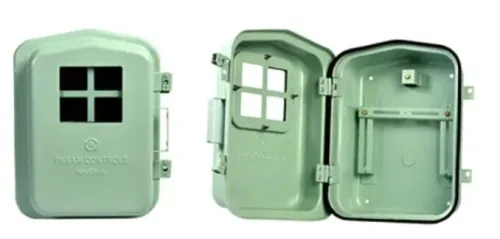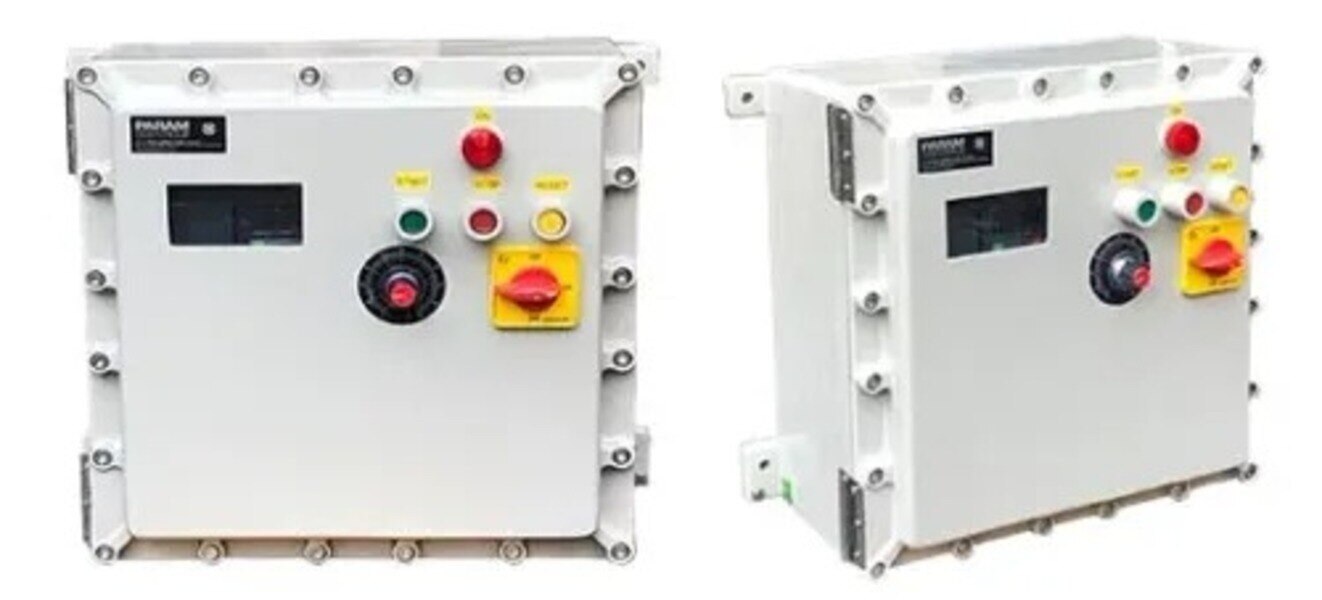
A flame-proof panel can lose its certified protection through one damaged flamepath, incorrect bolt, modified cable entry, or moisture-driven electrical fault. By following a risk-based inspection schedule, proving the panel safe before opening it, and recording the right measurements and defects, you can distinguish routine maintenance from work that requires an authorized specialist.
Key takeaways
- Obtain a work permit and gas-free confirmation before opening an Ex d panel.
- Use shift, monthly and shutdown checks to catch damage before failure.
- Clean flamepaths without filing, scraping or altering the certified joint.
- Escalate damaged flamepaths, covers, cable entries or threads for specialist repair.
Make the Panel Safe Before Any Inspection or Opening
An Ex d panel is not safe to open merely because it is flameproof. Do not open it while energized or while an explosive atmosphere may be present; obtain the site work permit and gas-free confirmation required for the area.
1. Complete the Ex d panel isolation by identifying every supply, including incoming power, control circuits, heaters, backup supplies and interlocked equipment. Shut them down, isolate each source, and apply lockout tagout with named locks and warning tags.
2. Wait for stored energy to discharge, then test the approved voltage detector on a known live source. Test every phase-to-phase and phase-to-earth combination at the panel, and prove dead before touching conductors. Re-test the detector on the known live source.
3. Check the nameplate against the installation documents. Record the certification number, IS/IEC 60079-0 and IS/IEC 60079-1 references, Ex d marking, gas or dust group, temperature class, equipment protection level, ambient range and IP rating.
4. Confirm that the marking matches the classified zone, gas or dust hazard and process temperature. Reject the opening if an uncertified gland, drilled drain, added window, altered entry or non-original cover is present.
Water ingress, corrosion and condensation can undermine electrical safety without cancelling the Ex d certificate. After Nashik’s monsoon, escalate visible moisture or damaged seals before maintenance proceeds.
Use a Shift, Monthly and Shutdown Inspection Schedule
Set the flame-proof panel maintenance schedule from service conditions, not a copied annual date. Record each inspection grade: visual inspection, close inspection or detailed inspection. A walk-by cannot confirm flamepath condition, gland tightness or internal corrosion.
- Each shift: perform a visual inspection for an open or damaged cover, missing bolts, paint damage, corrosion, accumulated dust, water marks, condensation, abnormal heat, damaged hinges, loose cable glands, displaced stopping plugs and disconnected earth conductors. Report any gas or dust alarm, burning smell or visible arcing immediately.
- Monthly: perform a close inspection with access but without normally using tools. Check enclosure joints, accessible flamepath edges, cover fasteners, hinges, cable glands, blanking elements, earth-bond connections, drain or breather arrangements and external corrosion. Compare the protection marking with the equipment register, including Ex d, gas or dust group, temperature class, equipment protection level and certificate number.
- At a planned shutdown: after approved isolation, inspect the opened enclosure in detail. Examine flamepaths, terminals, insulation, internal corrosion, dust deposits, moisture tracks and heat-discoloured components; test continuity or insulation only under the site procedure and manufacturer’s instructions. Do not file, grind, paint, seal or add a gasket to a flamepath.
Schedule Nashik monsoon maintenance after prolonged rain or the first return to service. Look specifically for water ingress, condensation, rust around joints and deteriorated glands. Record findings, measurements, photographs, certificate details and repair history so the next technician can distinguish an approved component from an uncertified modification.
Clean Flamepaths Without Destroying the Certified Joint
Treat the flamepath as a precision metal joint, not a gasket line. During flamepath inspection, confirm that mating surfaces are clean, continuous and free from dents, raised metal, scoring, corrosion pits, paint, sealant and grease. Record whether the work was visual, close or detailed; a walk-by cannot verify a joint hidden under a cover.
- Check cover and flange faces for impact marks, distortion, missing metal and unauthorized filing, grinding, welding or machining.
- Confirm every cover bolt, hinge fastener and threaded fastener is present, correctly identified, undamaged and tightened by the manufacturer’s specified method or torque.
- Examine hinges for looseness or distortion that prevents full seating, and inspect door seals without treating them as a substitute for the certified flamepath.
- Inspect threaded entries, blanking plugs, window frames and enclosure corners for thread damage, rust jacking and water tracks.
- Keep external paint on non-flamepath surfaces; remove loose coating from flange edges only by an approved method, not uncontrolled abrasive action.
For flameproof joint cleaning, use the manufacturer’s approved lint-free method and prevent debris from entering the enclosure. Never add an aftermarket gasket, grease or sealant unless the certificate or instructions permit it. Classify light surface contamination as cleanable, but quarantine Ex d enclosure damage involving missing metal, deep scoring, distortion, corrosion pits or altered dimensions.
Do not return it to service after filing or improvised repair. Restoration requires the original certified design and IEC 60079-19 competence; a mechanically fitting replacement can change joint dimensions, material or heat dissipation.
Check Cable Entries, Earthing and Internal Electrical Condition
A defective entry can defeat the enclosure’s protection even when the flamepath is intact. Confirm that each Ex d cable gland matches the cable construction, enclosure thread, gas group, certification conditions and installation method. Replace ordinary brass glands, improvised thread adapters and damaged sealing rings.
After isolation, gas testing and proving dead, inspect entries without drilling, filing or forcing parts. Fit certified stopping plugs to every unused opening. Do not add a drain, breather, window or cable entry in the field; use only a certified or manufacturer-approved arrangement.
Use this checklist during the detailed inspection:
- Check gland tightness, cable grip, armour termination, sealing compound and visible cracks. Look for water tracks or condensation, especially after Nashik’s monsoon.
- Perform an earth continuity test from the enclosure and gland armour to the designated protective-earth point. Investigate a high or unstable reading; do not rely on paint, hinges or mounting bolts for bonding.
- Perform an insulation resistance test only after disconnecting sensitive electronics, surge protectors and instruments as specified by their manufacturers. Record the test voltage and measured resistance.
- Inspect terminals for looseness, discolouration, melted insulation, overloaded conductors, pitted contacts, failed fans or heaters, and dust on creepage surfaces. Tighten terminals to the component manufacturer’s torque, not by force.
- Check corrosion around entries, hinges and fastener interfaces. Keep coatings off certified flamepaths unless the certificate permits them.
Stop work if moisture, burning, damaged insulation or abnormal heating is found; rectify the cause before re-energising.
Document Defects and Decide When Specialist Repair Is Required
Stop the panel from returning to service when a measured defect cannot be checked against its certified design. Hazardous-area maintenance records must identify the exact model, serial number, certification number, protection marking, gas or dust group, equipment protection level, temperature class, and applicable IS/IEC 60079-0 and IS/IEC 60079-1 certificates.
Record these items for each intervention:
- Flamepath joint gap and width, threaded-entry condition, bolt size, thread engagement, and tightening torque
- Approved dimensional drawings, gland and stopping-plug schedule, fastener specification, and manufacturer’s tightening instructions
- Component temperature limits and readings from terminals, contactors, drives, heaters, and other heat-producing parts
- Corrosion depth or affected area, coating loss, dust deposits, moisture ingress, vibration, ambient temperature, and chemical exposure
- Defect photographs, isolation details, parts replaced, repair dimensions, torque values, test results, technician identity, and return-to-service approval
Do not treat welding, filing, machining, a new window, drilled drain, aftermarket gasket, or replacement sheet-metal cover as routine maintenance. An altered flamepath, threaded entry, cover, or heat-dissipation path requires IEC 60079-19 repair controls and comparison with the original certificate.
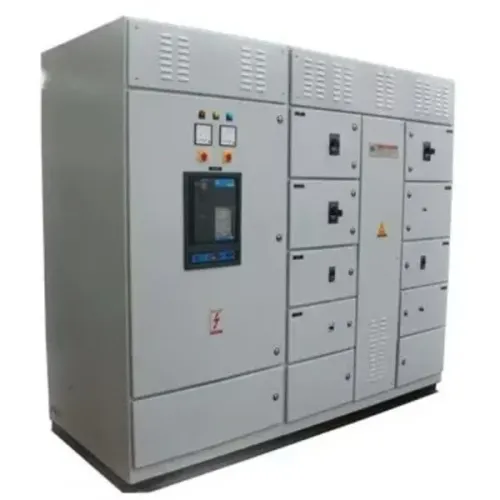
Involve an authorized Ex service provider when damage affects a flamepath, enclosure opening, certification marking, or protection concept, or when internal overheating has an unknown cause. A panel manufacturer such as Param Controls can compare the proposed replacement or repair with the certified design before fabrication; mechanical fit alone is not evidence of compliance.
Related product
 | Param Controls offers robust and reliable Flame Proof Panels designed for industrial electrical applications where enhanced enclosure protection and... View product → |
Frequently asked questions
What must you do before opening a flameproof panel?
De-energize and isolate the panel, obtain the site work permit, and confirm the area is gas-free before inspection or opening.
How often should you inspect an Ex d panel?
Use shift checks for visible condition, monthly checks for entries and electrical condition, and shutdown inspections for detailed maintenance.
How do you clean an Ex d flamepath safely?
Remove dust with a suitable non-damaging method and do not file, scrape, paint or alter the certified flamepath or joint.
When does a flameproof panel need specialist repair?
Arrange specialist repair when you find damaged flamepaths, distorted covers, damaged threads, loose cable entries, compromised seals or defective earthing.